
As we settle into 2026, the era of “growth at all costs” is being replaced by the era of Operational Resilience.
Reviewing the market trends from January 2026, one specific thing caught my attention.
For the first time since 2016, Amazon did not publish a dedicated Black Friday performance report.
Instead, the headlines we saw this month were about massive investments in AI and significant layoffs in corporate retail teams.
When we look at these numbers, the story is clear: Amazon appears to be shifting its focus from people to technology.
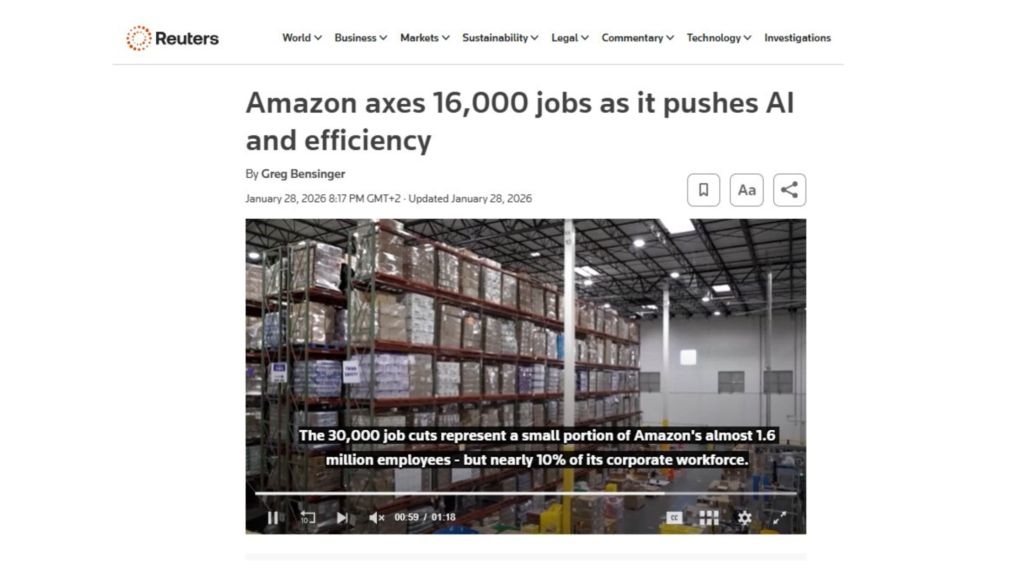
Source: Reuters
For us as brand owners, this changes how we operate. We are entering a year where we have fewer “human safety nets” like the FBA prep services that Amazon just cancelled. We can no longer rely on Amazon to fix our operational mistakes manually. In 2026, we must rely on our own precision and data, because automated systems do not forgive errors.
Here is how these changes are already affecting us in January:
1. The “Safety Net” is Gone – Amazon Ends FBA Prep and Labeling Services (US)
Up until now, sellers used Amazon’s prep service as a backup. If you missed a label or a barcode, you could pay Amazon to fix it.
What changed: As of January 1st, this service stopped in the US.
My take: There is no one to fix labeling mistakes anymore. If you send inventory with errors, Amazon may reject, delay, or require removal of the shipment.
Action: Sellers must audit prep and quality control processes.
2. Video is No Longer Optional – Sponsored Products Video Ads Expand
Until now, video ads were often treated as a “nice-to-have” or a luxury for big brands.
What changed: Amazon has significantly expanded where video ads appear in search results, making them significantly more prominent across key search placements.
My take: Video is now a main driver for visibility. You don’t need a Hollywood production, but you do need a video that quickly shows the product’s value.
Action: Treat video as a standard PPC requirement, not a special project. Make sure you have videos that convert for your best selling products.
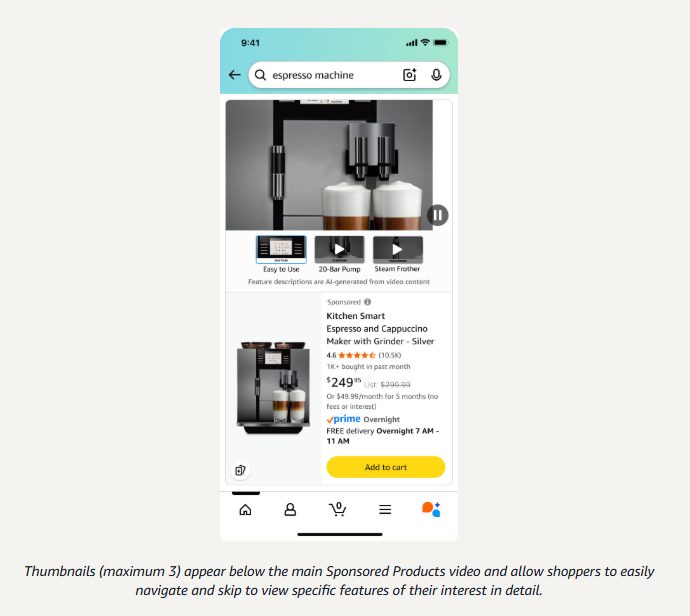
Source: Amazon Ads Blog
3. Stricter Rules for Reviews Starting – Review Sharing Changes for Variations
Starting mid-February, Amazon is changing how reviews are shared between product variations.
What changed: Reviews will now only be shared between variations that are almost identical (like size or color).
My take: If a “parent” product is currently boosting a weaker variation, that boost is about to disappear.
Action: Each variation must now stand on its own. We must build a dedicated review strategy for each individual variation so it can stand on its own.
AI News: The Big Shift
Beyond the technical updates, the “Assistant” is becoming the “Boss.” Here is what you need to know:
1. Rufus Moves From Search Assistant to Decision Maker:
Rufus is evolving from a conversational helper into an AI that increasingly influences which products are surfaced and filtered in discovery experiences.If your listing is confusing or lacks clear details, the AI is far less likely to surface it.
Action: One of our central tasks this year is to review the listings and ensure they are optimized for AI interpretation, not just human browsing.
2. The “Buy for Me” Scraping Issue:
Brand owners discovered that Amazon’s “Buy for Me” tool is pulling publicly available data from third-party brand websites to populate product information. Amazon is extending its reach beyond its own marketplace. They are using your data to keep the customer inside their AI ecosystem.
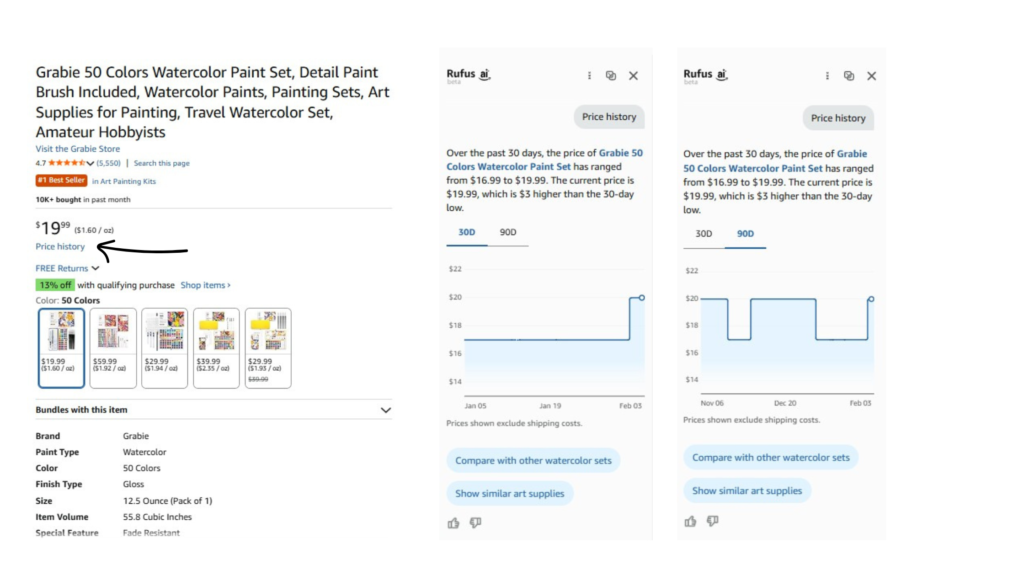
3. Price History Transparency
Amazon has expanded price transparency by displaying recent pricing indicators directly to shoppers. Customers can now see if your price has fluctuated recently.
Action: We need to be strategic about pricing. Avoid price changes and maintain stability so customers feel confident purchasing immediately.
The Bottom Line: A New Operating System
As we settle into 2026, the era of “growth at all costs” is being replaced by the era of Operational Resilience.
The removal of safety nets like FBA prep services, combined with the rise of “Agentic Commerce”, where AI agents like Rufus actively filter what shoppers see, sends a clear message: Amazon’s systems are becoming far less tolerant of operational inconsistency.In 2025, success was about visibility. In 2026, success will be about precision. The brands that win this year will be those that take full ownership of their logistics, audit their pricing across all channels, and write listings that speak the language of AI.
We are here to help you navigate this shift, ensuring your brand doesn’t just survive these changes, but leads them.
Regards,
Meirav